Drug addiction is a serious condition that affects millions of people every year, harming individuals and their families. Recognizing its presence in yourself or a loved one is the first, most vital step toward healing. At South Jersey Recovery Program, we understand the challenges posed by addiction and are here to provide support, expert guidance, and evidence-based treatment for those in South Jersey who are seeking recovery.
Drug addiction often begins subtly, with behaviors that may seem normal or explainable at first but gradually escalate into a life-altering dependency. Knowing the signs & symptoms of drug addiction is crucial in identifying the problem early and initiating effective intervention before the addiction worsens. This blog will explain these warning signs and offer actionable steps to get help.
What Is Drug Addiction?
Drug addiction, clinically known as substance use disorder (SUD), is a chronic brain disease characterized by the compulsive use of drugs despite harmful consequences. Addiction impacts all aspects of an individual’s life, including their physical and mental health, relationships, career, and finances.
Drug addiction can develop with both illicit substances (e.g., heroin, cocaine, methamphetamine) and legal drugs (e.g., prescription medications, alcohol). Regardless of the type of substance, addiction disrupts brain functioning, affecting areas related to decision-making, self-control, and reward.
This issue is more common than many people realize. According to SAMHSA (Substance Abuse and Mental Health Services Administration), over 19.4 million American adults struggled with substance use disorder in 2021.
Recognizing the signs of drug addiction and seeking help early can make recovery more successful.
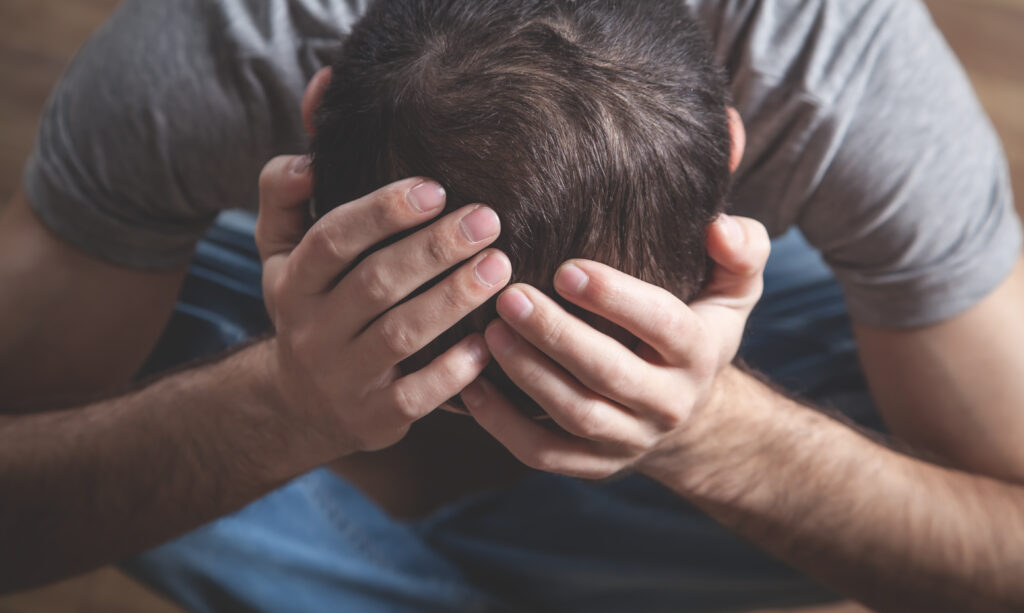
Understanding The Signs & Symptoms of Drug Addiction
Drug addiction doesn’t always manifest openly, and the initial signs can be subtle. However, as the addiction progresses, the symptoms become more evident and harder to ignore. Understanding these signs and symptoms of drug addiction is key to identifying whether someone needs professional help.
Behavioral Signs of Drug Addiction
One of the clearest indicators of addiction is a drastic change in a person’s behavior. These behavioral changes may include:
- Increased secrecy or isolation: Individuals may avoid family or friends to hide their drug use.
- Neglecting responsibilities: Dropping obligations at work, school, or home is a common pattern.
- Loss of interest in activities: Hobbies, passions, or social commitments may no longer matter.
- Risky behaviors: Taking unnecessary risks, such as driving under the influence, stealing, or breaking the law to obtain drugs.
- Financial issues: Spending large amounts of money on drugs or borrowing/stealing to support the habit.
Physical Signs of Drug Addiction
Substance use often takes an enormous toll on the body, producing noticeable physical changes, such as:
- Unexplained weight changes: Either rapid weight loss or gain may result from drug use.
- Bloodshot eyes or dilated pupils: Certain drugs directly impact the eyes, revealing use.
- Poor hygiene or appearance: Neglecting self-care is a common symptom, as focus shifts to obtaining drugs.
- Fatigue or energy changes: Some drugs cause extreme hyperactivity, while others lead to lethargy or exhaustion.
- Physical marks or injuries: Injection sites, burns from smoking materials, or other drug-related injuries may be visible.
Emotional and Psychological Signs of Drug Addiction
Addiction also affects emotional health and mental stability. These symptoms include:
- Mood swings: Rapid, unpredictable shifts from euphoria to rage, sadness, or paranoia.
- Anxiety or depression: Drug addiction often leads to co-occurring mental health issues like anxiety or depressive disorders.
- Irritability or aggression: Drug withdrawal or cravings can make individuals more easily agitated.
- Obsessive thinking: Constant preoccupation with obtaining and using drugs replaces other priorities.
- Impaired judgment: Addiction compromises decision-making, leading to poor choices and unhealthy relationships.
Social Signs of Drug Addiction
Social relationships often suffer deeply as drug addiction progresses. Specific signs include:
- Isolation from loved ones: Distancing themselves from friends or family out of shame or secrecy.
- Loss of friendships: Drug use may strain existing relationships or result in seeking out new, drug-using peers.
- Difficulty communicating: Conversations may grow detached, defensive, or dishonest.
How to Get Help for Drug Addiction
If you or someone you care about is displaying the signs and symptoms of drug addiction, seeking professional help is critical. At SJRC, our drug addiction program in New Jersey specializes in helping individuals navigate the recovery process, starting with understanding their unique treatment needs. Here are steps to access the right support:
Step 1: Recognize the Problem
The first step in recovery is acknowledging that addiction is present. This can be one of the hardest steps due to denial or shame, but it lays the foundation for successful treatment. Look closely at the warning signs outlined above and evaluate how drug use has impacted the individual’s daily life.
If you’re worried about someone else’s potential addiction, expressing concern in a compassionate and nonjudgmental way can guide them toward seeking help.
Step 2: Seek Professional Assessment
Once addiction is recognized, professional assessment is essential. At South Jersey Recovery Program, our specialists start by evaluating the severity of addiction, identifying co-occurring mental health conditions, and creating a personalized treatment plan.
Our assessments consider factors such as:
- Severity of substance use: Including the specific drugs being used and their frequency.
- Physical health issues: Any medical conditions related to drug use (e.g., withdrawal complications).
- Mental health concerns: Anxiety, depression, trauma, or other conditions complicating addiction.
Step 3: Begin Treatment
Effective addiction treatment includes various methods tailored to the individual’s needs. At South Jersey Recovery Program, we offer comprehensive programs designed to address the addiction itself while promoting emotional healing, relapse prevention, and personal growth.
Medical Detox (First Phase of Recovery)
For individuals physically dependent on drugs, medical detoxification may be essential. Detox allows the body to safely withdraw from addictive substances under the supervision of medical professionals who manage withdrawal symptoms and cravings.
Therapeutic Intervention
Therapy plays a major role in addressing the psychological effects of drug addiction. Evidence-based approaches such as Cognitive Behavioral Therapy (CBT) and Dialectical Behavior Therapy (DBT) help individuals:
- Identify negative thought patterns and replace them with positive coping skills.
- Understand triggers and develop strategies to avoid relapse.
Holistic therapies like mindfulness meditation, art therapy, and yoga further support emotional wellness.
Support Groups and Aftercare
Addiction recovery doesn’t end with treatment—it’s a lifelong commitment. Support groups, such as 12-Step programs, and ongoing therapy provide essential tools to maintain sobriety after completing treatment. At South Jersey Recovery Program, we offer aftercare planning and outpatient recovery programs to ensure clients have the support they need during every stage of recovery.
Step 4: Stay Committed to Recovery
Recovery is a challenging journey, requiring consistency and dedication. Building a strong support system, avoiding triggers, and staying engaged in therapy and wellness practices will help maintain sobriety.

Why Choose Our Drug & Alcohol Rehab in South Jersey?
South Jersey Recovery Program is a trusted leader in addiction treatment, offering specialized care for drug addiction. Here’s why individuals in South Jersey turn to us:
- Expert Team: Our licensed medical staff and addiction counselors are highly trained in evidence-based approaches to recovery.
- Comprehensive Services: From detox and rehab to outpatient programs and aftercare, we provide end-to-end support for every client.
- Personalized Care: Every treatment plan is uniquely tailored to each individual’s needs, ensuring optimal success.
- Local Accessibility: As a South Jersey-based center, we eliminate the stress of long-distance travel for treatment, keeping clients close to their support systems.
Noticing The Signs & Symptoms of Drug Addiction? Get Help Today
Recognizing the signs & symptoms of drug addiction is vital for seeking help early, preventing harm, and regaining control. Whether the signs involve behavioral changes, physical effects, or emotional struggles, taking action can save lives. At South Jersey Recovery Program, our dedicated team is here to assist you with expert recovery services, compassionate care, and the resources you need for lasting sobriety.
If you or someone you love is experiencing drug addiction, don’t wait. Contact South Jersey Recovery Program today, and take the first step toward recovery and healing.
Hi, this is a comment.
To get started with moderating, editing, and deleting comments, please visit the Comments screen in the dashboard.
Commenter avatars come from Gravatar.