Treating the household, not only the person
Family Therapy in Berlin, NJ
Addiction is not a private illness. It reorganizes a household around itself, and recovery has to reorganize the household back.
By the time someone reaches treatment, the people around them have usually spent years adapting: covering, checking, pleading, threatening, going quiet. None of it was wrong. All of it becomes part of the system that has to change. This page explains what family therapy does in addiction treatment, what the research supports, what families can do about overdose risk at home, and how family sessions work at South Jersey Recovery Program in Berlin, NJ.
What is family therapy in addiction treatment?
Family therapy is not a meeting where the family tells the person what they did wrong.
It is also not a meeting where the person tells the family.
It is structured clinical work, led by a licensed therapist, on the patterns between people: how conflict starts, how money and access get handled, who gets told the truth, what happens after a slip. The unit of treatment is the relationship, and the goal is a home that makes recovery easier rather than harder.
The family did not cause the addiction. The family can still change the odds.
Sessions include education about what addiction is and is not, communication skills, boundary setting that both sides can live with, and a shared plan for the hard days ahead. Some sessions include the person in treatment. Some are for the family alone.
Why does family involvement change outcomes?
Two lines of evidence stand out.
The first is Community Reinforcement and Family Training, or CRAFT. In a randomized trial of 130 family members of problem drinkers who were refusing treatment (Miller, Meyers, and Tonigan, 1999), those trained in CRAFT got their loved one into treatment 64 percent of the time. The Johnson Institute confrontational intervention, the televised kind, managed 30 percent. Coaching toward Al-Anon managed 13 percent. All three approaches helped the family members themselves about equally; where they differed was in getting the drinker through the door. CRAFT teaches family members to reward sober behavior, step back from rescuing during use, take care of themselves, and pick the moment to make the invitation. It works better than confrontation, and it works better than detachment.
The second is behavioral couples therapy. A 2008 meta-analysis (Powers, Vedel, and Emmelkamp, Clinical Psychology Review) found that for married or cohabiting people, couples-based treatment produced better substance use outcomes and better relationship outcomes than individual treatment alone, with the substance use advantage showing up at follow-up rather than immediately after treatment.
The National Institute on Drug Abuse’s Principles of Drug Addiction Treatment (2018) lists family-based approaches among the behavioral therapies with evidence behind them. The mechanism is not mysterious. The person spends a few hours a day with us. They spend the rest of the day with you.
What do family sessions actually change?
| The pattern that took hold | What changes in family therapy |
|---|---|
| Covering: calling in sick for them, paying the debt, explaining to the relatives | Natural consequences are allowed to land, with support rather than rescue |
| Policing: checking phones, counting pills, searching the car | Accountability moves into the treatment plan, where a clinician holds it |
| The lecture: repeating the case for quitting | Family members learn the motivational interviewing stance, because the lecture has been tried |
| Silence: nobody names it, everyone works around it | Direct, specific conversation with a therapist in the room the first few times |
| Threats nobody follows through on | Fewer boundaries, kept every time |
| Every conversation is about the addiction | Rebuilding the parts of the relationship that were never about it |
Overdose safety at home
This section is here because families of people who use opioids need it, and most treatment pages leave it out.
After a period of not using, tolerance drops. The dose that was normal before treatment can be fatal after it, and most overdose deaths in New Jersey now involve fentanyl, increasingly alongside xylazine and medetomidine, according to NJ CARES, the state’s overdose data program. Every household with an opioid history should have naloxone, the overdose reversal medication, and every adult in the house should know how to use it. It is available at New Jersey pharmacies without a prescription.
If someone is unresponsive or barely breathing, call 911 first, then give naloxone. If they do not wake up or breathe normally within 2 to 3 minutes, give another dose in the other nostril, and keep repeating every 2 to 3 minutes until help arrives. Stay with them. Naloxone reverses opioids only. Xylazine and medetomidine are sedatives that naloxone does not reverse, so give it anyway and keep waiting for the ambulance even if the person stays sleepy. New Jersey’s Overdose Prevention Act protects people who call for help during an overdose from certain drug possession charges; the details are worth verifying, but the rule is simple. Call.
Naloxone reverses an overdose.
It does not treat an addiction. Treatment does that, and families are part of it.
What if my family member is not in treatment yet?
Then family therapy may start with you. The CRAFT findings above are about exactly this situation. Family members who change their own responses, without an intervention or an ultimatum, get their loved one into treatment more often than any confrontational approach studied.
Practical starting points:
- Reward the sober hours with attention and warmth, and withdraw both, calmly, during use
- Stop absorbing consequences that belong to the person
- Say what you see, once, specifically, without a speech attached
- Get your own support. Al-Anon, Nar-Anon, and SMART Recovery Family and Friends are free peer groups; they are support, not treatment, and both have a place
- Have the treatment number ready for the moment the person says yes, because that moment is often brief
If your family member is in immediate danger, call 911. If they are in a mental health crisis, call or text 988.
How families take part at South Jersey Recovery Program
We are an outpatient provider in Berlin, NJ. We do not offer medically supervised detox or residential treatment; if you need either, we will say so and help arrange it.
Family sessions are part of treatment at every level of care here. In partial care and intensive outpatient, the person goes home every evening, so the household is inside the treatment from day one rather than waiting at the end of it. In outpatient care, family sessions continue as the structure steps down.
One rule governs all of it. Federal confidentiality law for substance use treatment, 42 CFR Part 2, means we cannot confirm that someone is in treatment or share anything about their care without their written consent. Most people give it. When they do not, we can still talk with you about how treatment works in general and about your own support.
Family work runs alongside individual therapy, where the person does their own work, and relapse prevention planning, where the family’s role on a hard day gets written down in advance.
Questions people ask about family therapy
Who counts as family?
Whoever the person lives with or leans on: a partner, parents, adult children, a sibling, a close friend. The definition is functional, not legal.
What if we can barely be in a room together?
That is often where the work is most useful. A therapist keeps the conversation specific and stops it from becoming the same fight. Some families start with separate sessions.
Do I have to attend if I am the one in treatment?
Family involvement is recommended, not forced, and you control what is shared. Many people who resist it at first find it is the part of treatment that most changes what they go home to.
Is family therapy covered by insurance?
That depends on your plan and on the sessions being part of a treatment plan. We verify your benefits for free before the first session, so you know before you start.
The bottom line
You did not cause it. You cannot control it. You cannot cure it.
You can still change the odds.
Family therapy is where that happens: not by fixing the person, but by changing the house they come home to.
Call (856) 788-6914 or contact us online to ask about family sessions, even if your loved one is not in treatment yet. The assessment is free and confidential.
Sources
- Miller WR, Meyers RJ, Tonigan JS. Engaging the unmotivated in treatment for alcohol problems: a comparison of three strategies for intervention through family members. Journal of Consulting and Clinical Psychology, 1999.
- Powers MB, Vedel E, Emmelkamp PMG. Behavioral couples therapy (BCT) for alcohol and drug use disorders: a meta-analysis. Clinical Psychology Review, 2008.
- National Institute on Drug Abuse. Principles of Drug Addiction Treatment: A Research-Based Guide, third edition, 2018.
- 42 CFR Part 2, Confidentiality of Substance Use Disorder Patient Records.
- New Jersey Overdose Prevention Act, P.L. 2013, c. 46.
- NJ CARES, Office of the New Jersey Attorney General. Overdose data and reporting. njoag.gov/programs/nj-cares.
- New Jersey Department of Health. New Jersey Marks Progress in Reducing Overdose Deaths While Honoring Lives Lost. August 29, 2025.
- SAMHSA. Opioid Overdose Prevention Toolkit: Five Essential Steps for First Responders, 2018.
- Narcan (naloxone hydrochloride) nasal spray, over-the-counter Drug Facts label, DailyMed.
From the blog
Related reading
Addiction Treatment
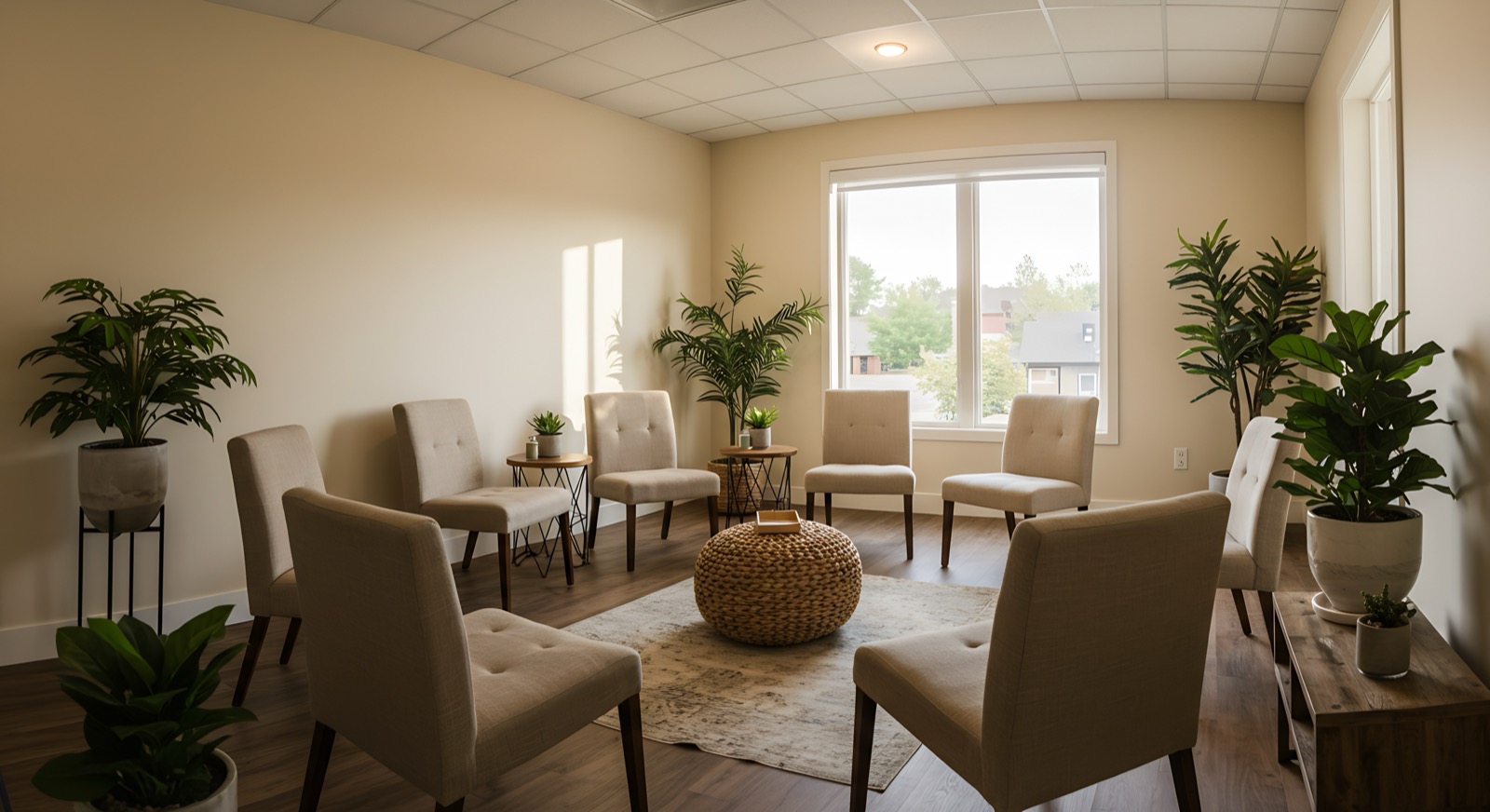
Benefits of Local Addiction Treatment in South Jersey
Staying close to home during treatment keeps your support network intact. Here is why local addiction treatment in South Jersey often works better.

Addiction Treatment
How to Find the Best Addiction Treatment Program
How to choose an addiction treatment program: match the level of care, verify the license and network status, and ask the questions brochures avoid.
Addiction Treatment
Signs & Symptoms of Drug Addiction
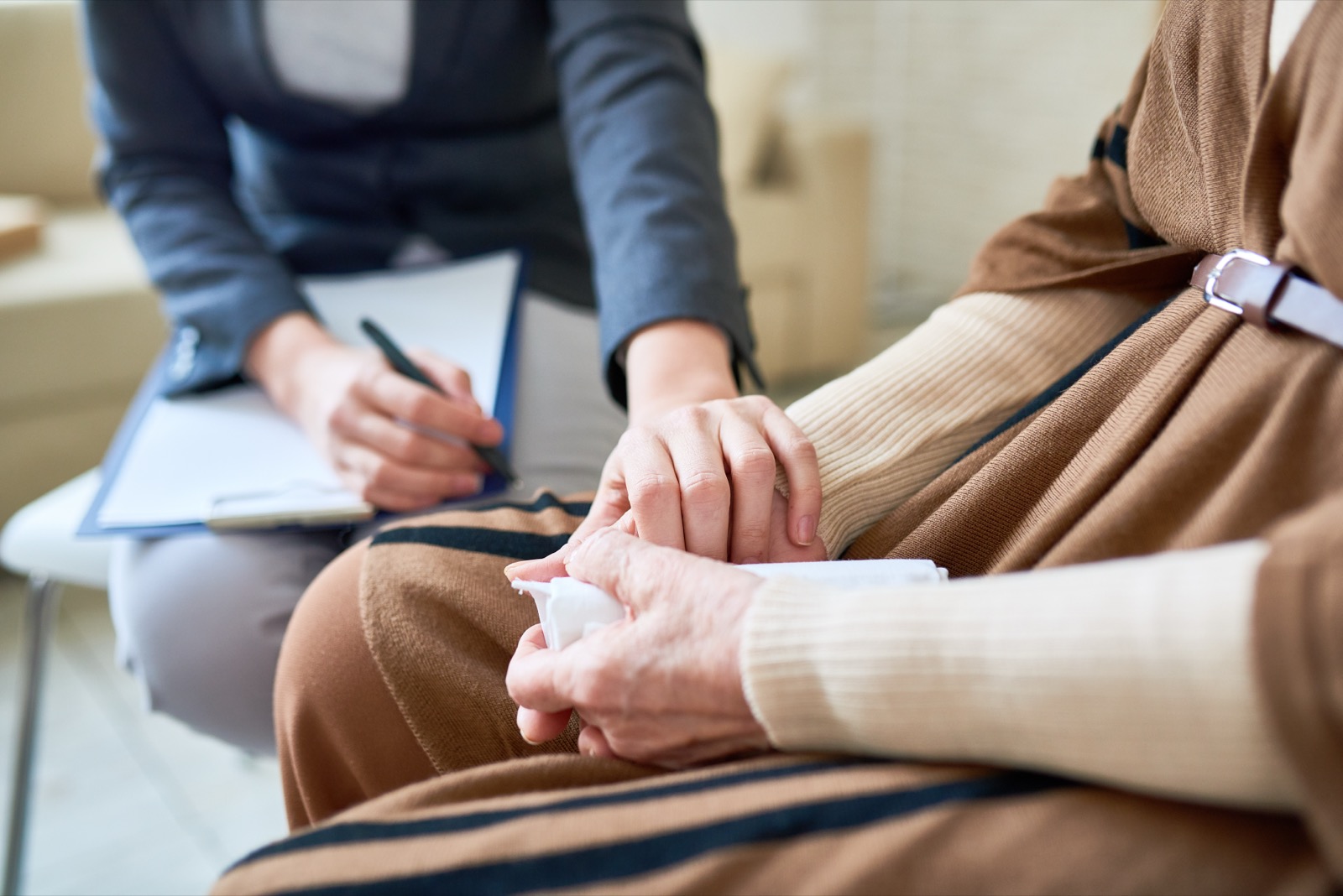
Learn the physical, behavioral, and psychological signs of drug addiction, and how to know when it is time to seek professional treatment.
Client testimonials
What our clients say
“SJRP saved my life. Their staff, program, and overall atmosphere was instrumental in my path to recovery.”
“When our son relapsed again we turned to SJRP and found hope again. They really changed his and our lives.”
Testimonials reflect the experience of individual clients. Results vary, and these statements are not a guarantee of any particular outcome.
Insurance
We work with most major insurance plans
Many plans cover a substantial share of outpatient treatment. What your plan covers depends on your policy, and we verify it for free. Don’t see your provider? These are only some of the plans we accept — request a free verification and we’ll confirm your benefits.











Recovery is waiting for you
Talk with an admissions coordinator today. Calls are confidential, and we can verify your insurance benefits in minutes.